Fast File Transfers from IoT Devices by Using Multiple Interfaces
Advanced Networking Techniques for IoT Systems
Agenda
- Introduction to IoT File Transfer Challenges
- Multiple Interface Technologies
- Multipath TCP (MPTCP) Fundamentals
- Implementation Approaches
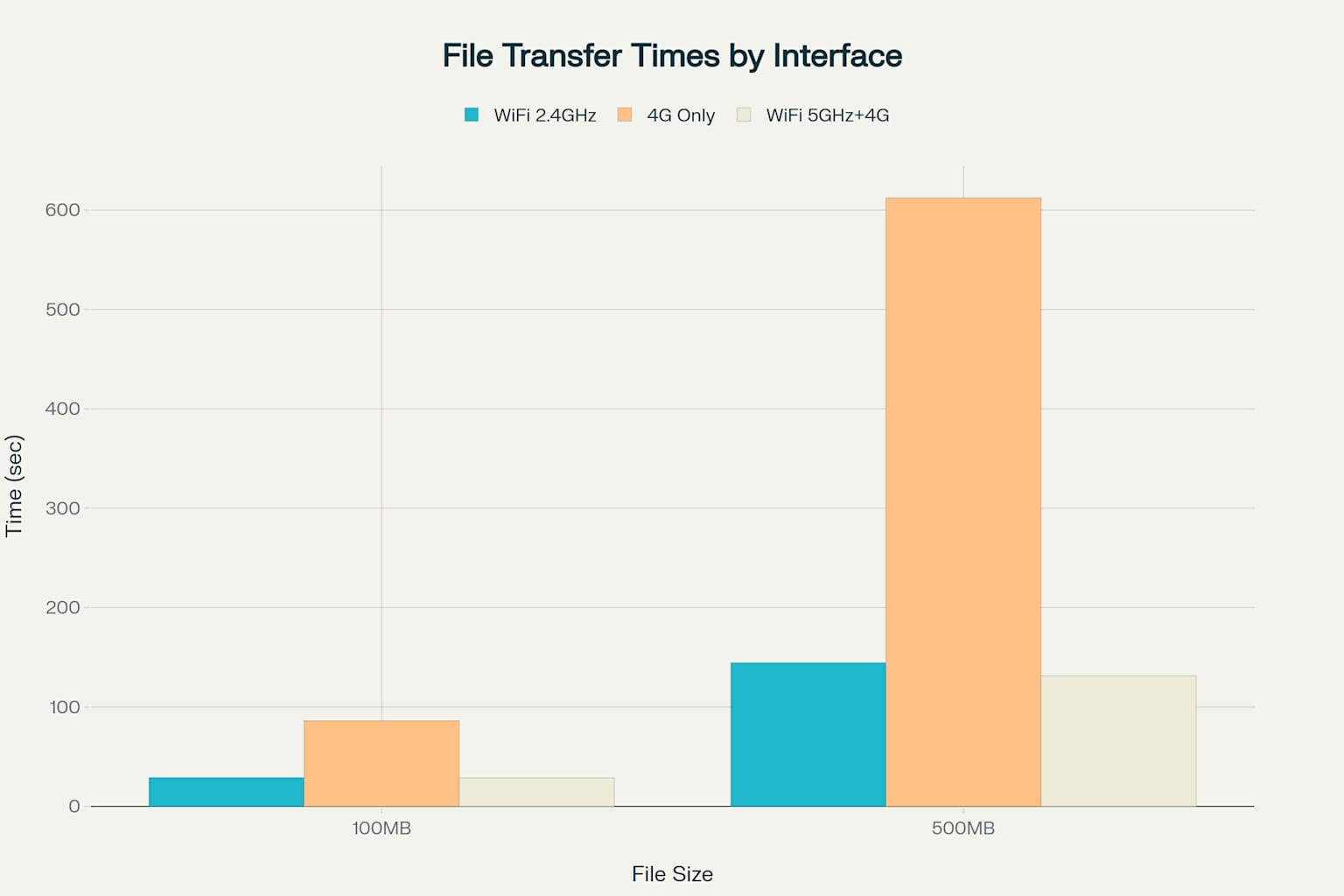
- Performance Analysis
- Energy Consumption
- Real-world Applications
- Challenges and Limitations
- Future Trends
- Conclusion & Q&A
Introduction: IoT File Transfer Challenges
- IoT devices generate massive amounts of data
- Traditional single-interface limitations
- Need for fast, efficient data transmission
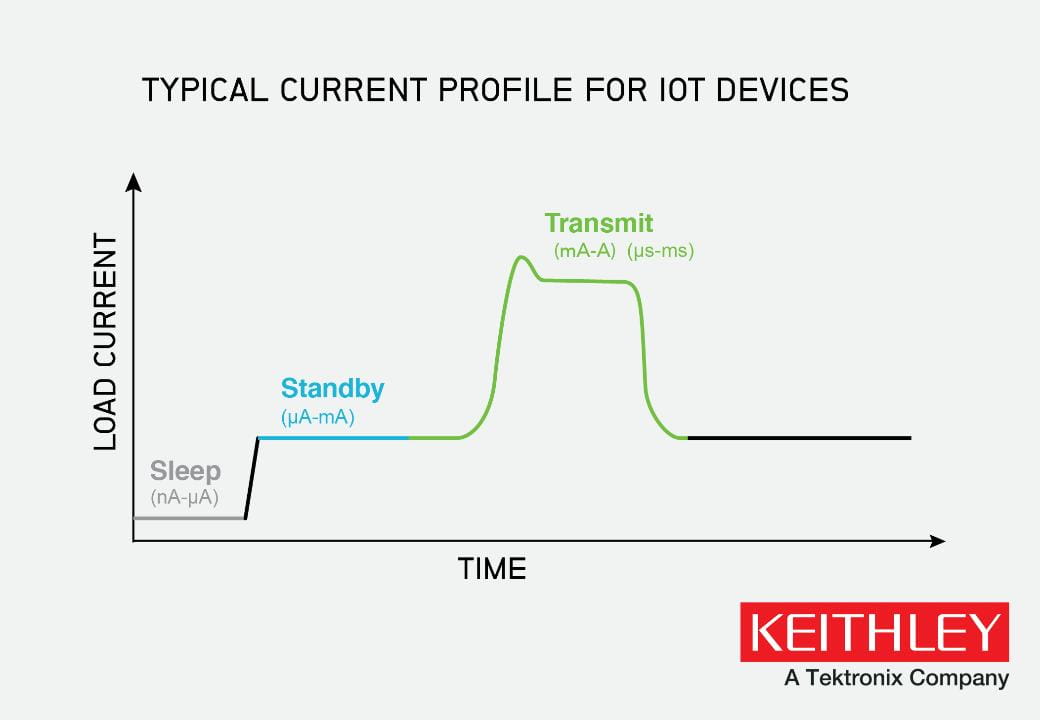
- Battery life and energy constraints
- Real-time communication requirements
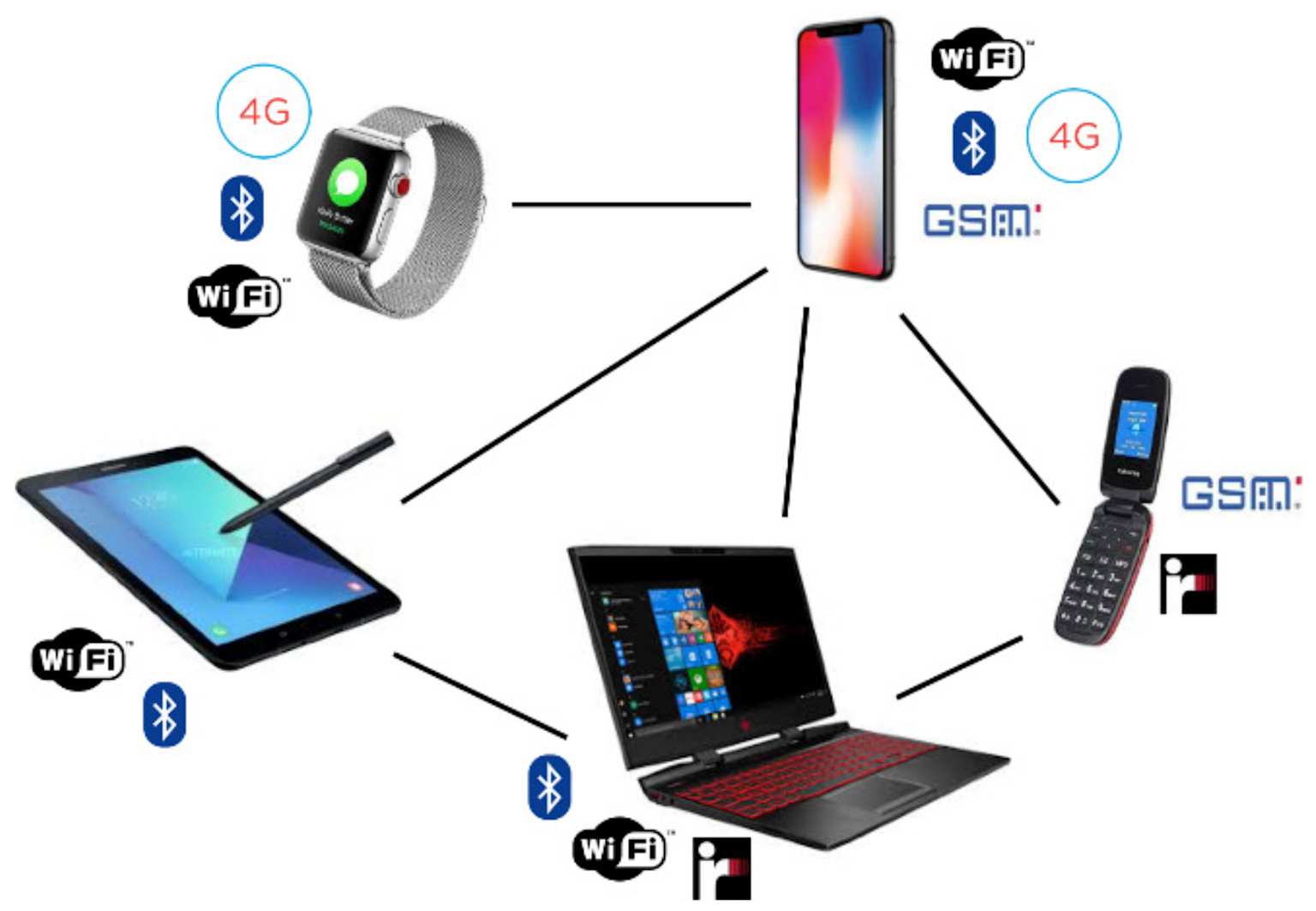
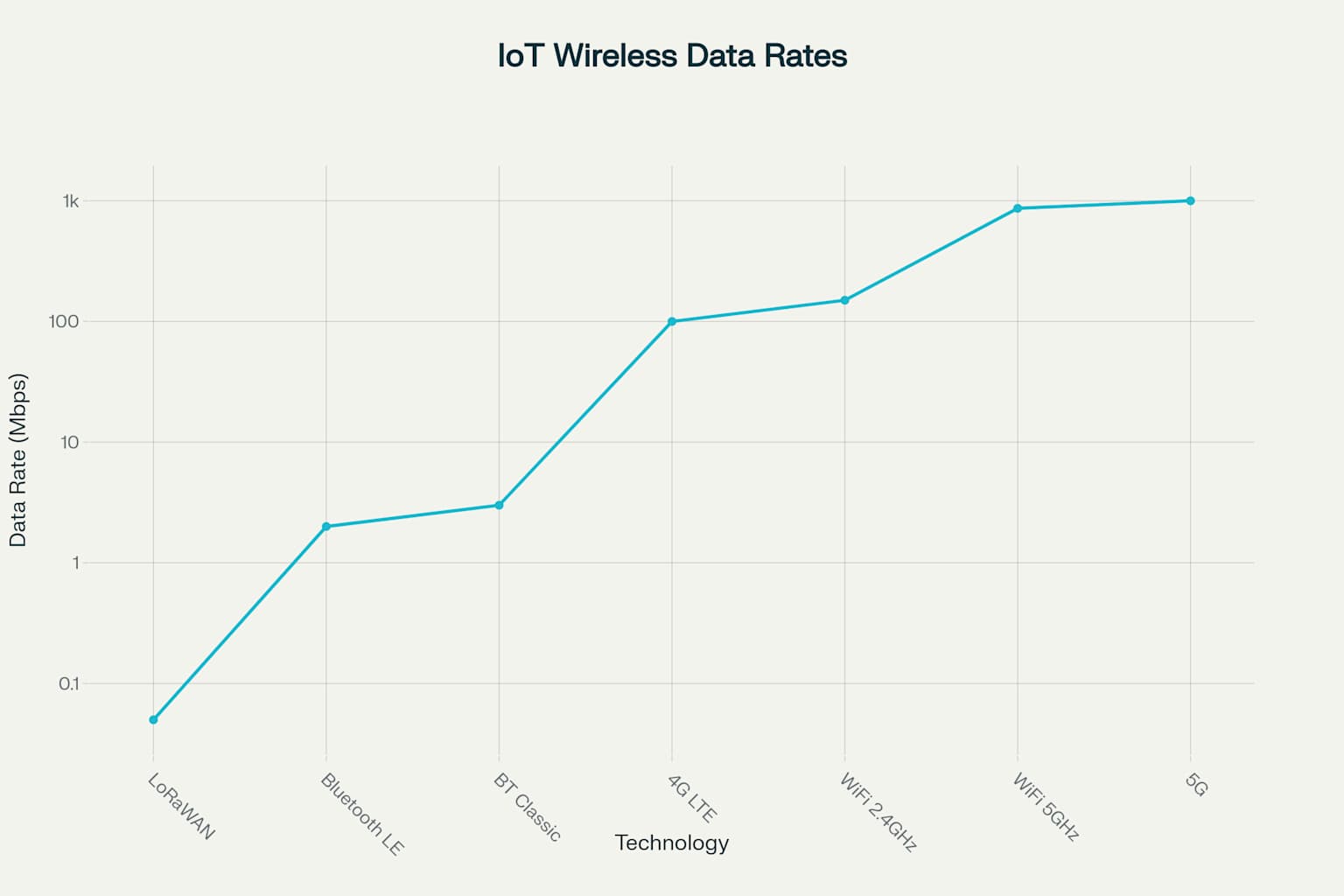
Multiple Interface Technologies
- WiFi (2.4GHz and 5GHz)
- Bluetooth (Classic and LE)
- Cellular (4G/5G)
- LoRaWAN
- Interface coexistence challenges
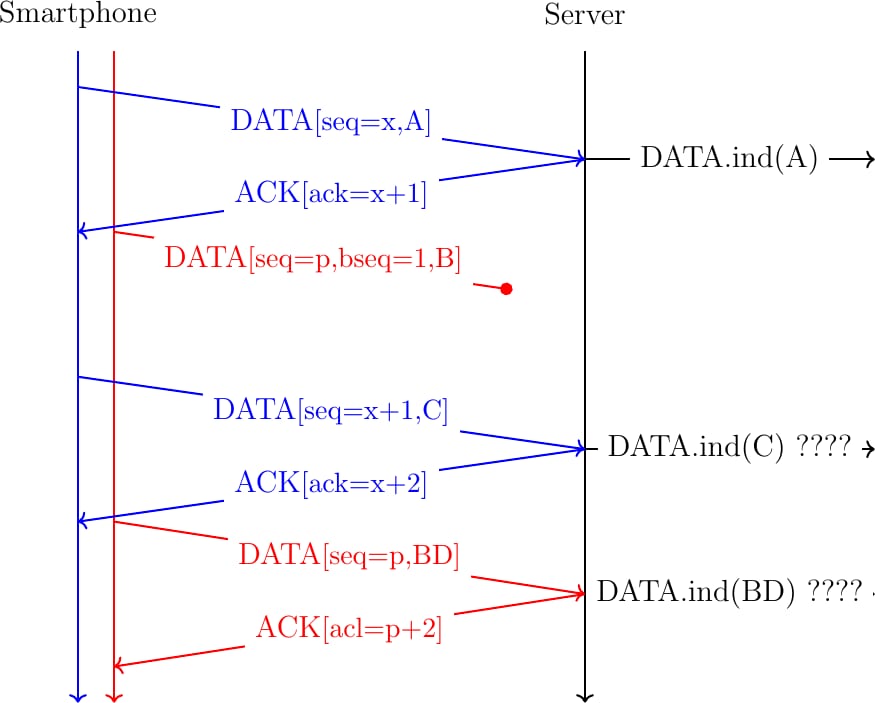
Multipath TCP Fundamentals
- Extension of standard TCP
- Multiple subflows over different paths
- Load balancing and redundancy
- Transparent to applications
- Improved throughput and reliability
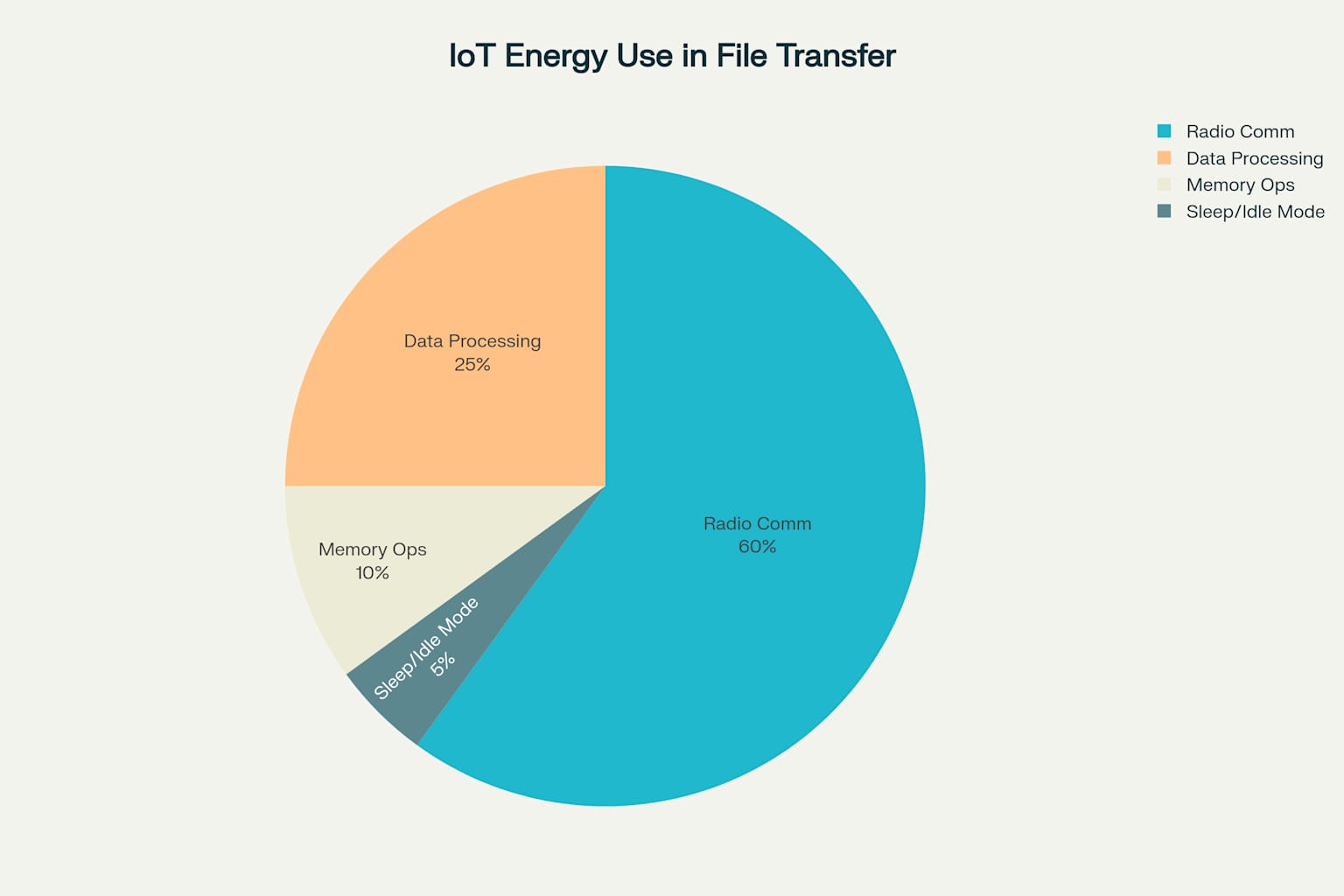
Energy Consumption Breakdown
- Radio Communication: 60%
- Data Processing: 25%
- Memory Operations: 10%
- Sleep/Idle Mode: 5%
- Multi-interface optimization reduces overall consumption
Implementation Approaches
- AUTO mode with dynamic allocation
- Machine learning-based path selection
- Bandwidth aggregation techniques
- Interface switching algorithms
- Buffer management strategies
Real-world Applications
- Smart home automation
- Industrial IoT monitoring
- Healthcare devices
- Autonomous vehicles
- Environmental sensing networks
Challenges and Limitations
- Interface interference
- Power consumption trade-offs
- Complexity of implementation
- Cost considerations
- Standardization issues
Future Trends
- 5G and 6G integration
- AI-driven interface selection
- Edge computing optimization
- Improved energy efficiency
- New wireless standards
Conclusion
- Multi-interface approaches significantly improve performance
- Energy efficiency can be maintained
- Implementation challenges exist but are solvable
- Future developments promise even better performance
- Questions and Discussion